

Introduction
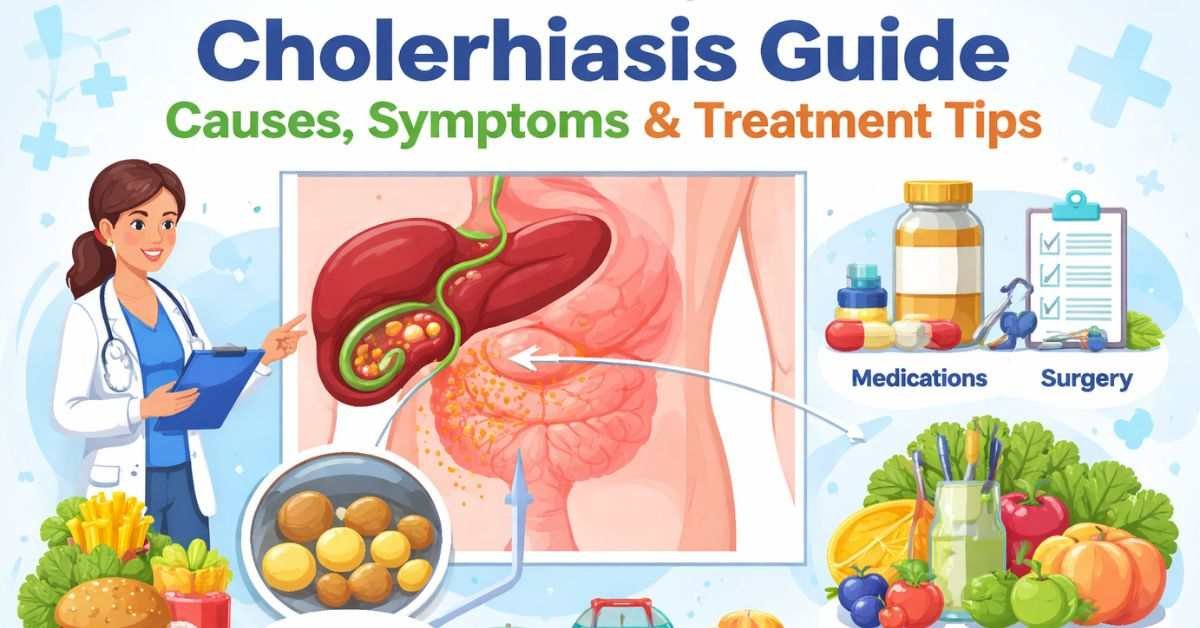
Cholerhiasis is a common health condition that affects many people around the world, yet it is often misunderstood. It refers to the formation of hard stones in the gallbladder, which can cause pain and other digestive problems. These stones, also known as gallstones, can vary in size and may stay silent for years or suddenly cause discomfort.
In 2026, awareness about digestive health is growing, and more people are learning how lifestyle and diet affect their bodies. Understanding cholerhiasis is important because early knowledge can help prevent serious complications. Many people ignore mild symptoms, thinking they are normal stomach issues, but they can sometimes point to gallbladder problems.
This guide is written in very simple and clear language so that anyone—even a Grade 7 student—can understand it. You will learn what this condition is, why it happens, its symptoms, and how it can be treated or prevented. The goal is to provide helpful, trusted, and easy-to-follow information based on current medical knowledge.
What Is Cholerhiasis?
Cholerhiasis is a medical condition where small or large stones form inside the gallbladder. The gallbladder is a small organ located under the liver, and it stores bile, a fluid that helps digest fats.
These stones are usually made of cholesterol or bilirubin. Sometimes they are very tiny like grains of sand, and other times they can grow as large as a golf ball. Many people with cholerhiasis may not even know they have it because it does not always cause symptoms.
However, when these stones block the bile ducts, they can cause sudden and sharp pain. This pain is often called a “gallbladder attack.” It usually happens after eating fatty food.
Doctors often detect this condition using ultrasound scans. It is one of the safest and most common ways to check the gallbladder.
In simple words, cholerhiasis means “gallstones in the gallbladder.” While it may sound serious, many cases are mild and manageable with proper care and guidance.
Types of Gallstones You Should Know About
Gallstones are not all the same. They can differ in color, size, and what they are made of. Understanding the types can help you better understand how this condition develops and how it is treated. In cases of cholerhiasis, doctors usually classify gallstones into two main types, with a third mixed type also being common.
Cholesterol Gallstones (Most Common Type)
Cholesterol stones are the most common form of gallstones found in many people. They usually appear yellow or green in colour
These stones form when there is too much cholesterol in the bile. When the body cannot dissolve all the cholesterol, it starts to form crystals, which grow into stones over time.
Key Points:
- Make up about 70–80% of all gallstones
- Common in overweight individuals
- Linked to high-fat diets
- More frequent in women
This type is often seen in people with cholerhiasis caused by lifestyle factors like poor diet and lack of exercise.
Pigment Gallstones
Pigment stones are smaller and darker in color, usually black or brown.
They form when there is too much bilirubin in the bile. Bilirubin is a waste substance made when the body breaks down old red blood cells.
Key Points:
- More common in people with liver disease
- Linked to infections in the bile ducts
- Often seen in patients with blood disorders
These stones are less common but can still cause serious symptoms if they block bile flow.
Mixed Gallstones
Mixed gallstones contain a combination of cholesterol and pigment materials. They are quite common and may vary in size and shape.
Key Points:
- Combination of both main types
- Can form due to multiple risk factors
- Often found in long-term cases
In many patients with cholerhiasis, doctors find mixed stones because multiple causes are involved.
Simple Comparison Table
| Type of Gallstone | Color | Main Cause | Common In |
|---|---|---|---|
| Cholesterol | Yellow/Green | High cholesterol | Overweight individuals |
| Pigment | Black/Brown | High bilirubin | Liver or blood disorders |
| Mixed | Varies | Multiple factors | Long-term cases |
Causes of Cholerhiasis
Understanding the causes of cholerhiasis can help you prevent it. This condition usually develops when there is an imbalance in the substances that make up bile.
Here are the most common causes:
- Too much cholesterol in bile
- Excess bilirubin (a waste product from blood)
- Poor gallbladder emptying
- Obesity or being overweight
- Rapid weight loss
- Unhealthy diet (high fat, low fiber)
When the bile contains too much cholesterol, it can form crystals. Over time, these crystals grow into stones.
Another important cause is when the gallbladder does not empty properly. This allows bile to sit for too long, increasing the chance of stone formation.
Certain groups of people are more at risk, including women, older adults, and those with a family history of gallstones.
In short, cholerhiasis is often linked to lifestyle habits and body chemistry. Making small changes can reduce the risk significantly.
Symptoms You Should Not Ignore
Many people with cholerhiasis do not have symptoms at first. This is called “silent gallstones.” However, when symptoms appear, they can be painful and uncomfortable.
Common symptoms include:
- Sudden pain in the upper right abdomen
- Pain after eating fatty meals
- Nausea or vomiting
- Bloating or gas
- Indigestion
The pain can last from a few minutes to several hours. It may also spread to the back or right shoulder.
In more serious cases, symptoms can include:
- Fever
- Yellowing of skin (jaundice)
- Dark urine
These signs may indicate complications and need immediate medical attention.
Recognizing early symptoms of cholerhiasis can help you get treatment before the condition becomes severe.
Risk Factors and Who Is Most Affected
Some people are more likely to develop cholerhiasis than others. These are known as risk factors.
Common Risk Factors
| Risk Factor | Why It Matters |
|---|---|
| Age (40+) | Risk increases with age |
| Gender (female) | Hormones affect bile |
| Obesity | Increases cholesterol levels |
| Pregnancy | Slows gallbladder movement |
| Family history | Genetic influence |
Women are more likely to develop gallstones than men, especially during pregnancy. Hormonal changes play a big role in this.
People who lose weight very quickly (such as crash dieting) also have a higher risk.
Understanding these factors can help you take early action and reduce your chances of developing the condition.
How Cholerhiasis Is Diagnosed
Doctors use simple and safe methods to diagnose cholerhiasis. The most common test is an ultrasound scan.
Common Diagnostic Methods
| Test Name | Purpose |
|---|---|
| Ultrasound | Detects stones in gallbladder |
| CT Scan | Shows detailed images |
| Blood Test | Checks infection or blockage |
| MRI | Examines bile ducts |
Ultrasound is painless and quick. It helps doctors clearly see if stones are present.
Blood tests are used to check if there is inflammation or infection.
Early diagnosis of cholerhiasis helps prevent complications and allows better treatment planning.
Treatment Options Explained Simply
Treatment for cholerhiasis depends on the severity of symptoms.
No Treatment (Watch and Wait)
If there are no symptoms, doctors may not recommend immediate treatment.
Medications
Some medicines can dissolve small stones, but this takes time and is not always effective.
Surgery
The most common treatment is removing the gallbladder. This surgery is called cholecystectomy.
It is safe, and people can live a normal life without a gallbladder.
In most cases, surgery is the best long-term solution for cholerhiasis, especially if pain keeps coming back.
How to Prevent cholerhiasis Naturally
Preventing cholerhiasis naturally is possible by making simple and healthy lifestyle choices. The main goal is to keep your bile balanced and your digestive system working smoothly.
Start with your diet. Eating more fiber-rich foods like fruits, vegetables, and whole grains helps reduce cholesterol levels in bile. This lowers the chance of stone formation. Try to avoid fried, oily, and processed foods because they increase fat levels in the body.
Staying at a healthy weight is also very important. Being overweight increases your risk, but losing weight too quickly can also cause problems. Aim for slow and steady weight loss if needed.
Drinking enough water helps your body stay hydrated and supports digestion. Experts suggest at least 6–8 glasses of water daily.
Regular physical activity, like walking for 30 minutes a day, can improve digestion and reduce risk factors. Also, avoid skipping meals because it can affect how bile flows in the gallbladder.
In simple words, small daily habits—healthy eating, exercise, and hydration—can go a long way in preventing cholerhiasis naturally.
How Do Doctors Diagnose cholerhiasis?
Doctors use safe and simple methods to diagnose cholerhiasis. The process usually starts with asking about your symptoms and medical history.
The most common test is an ultrasound. It is painless and uses sound waves to create images of your gallbladder. This helps doctors clearly see if stones are present.
If more detail is needed, other tests may be used:
- Blood tests to check for infection or blockage
- CT scan to get detailed images of the abdomen
- MRI to examine bile ducts more closely
Sometimes, doctors may also use a special test called ERCP (Endoscopic Retrograde Cholangiopancreatography) to find and remove stones in bile ducts.
Early diagnosis of cholerhiasis is very important because it helps prevent complications and allows proper treatment.
Who Is Most at Risk for Developing cholerhiasis?

Some people have a higher chance of developing cholerhiasis due to certain risk factors. Knowing these can help you stay careful and take preventive steps.
High-Risk Groups Include:
- Women – Hormonal changes increase risk
- People over 40 – Risk grows with age
- Overweight individuals – Higher cholesterol levels
- Pregnant women – Slower gallbladder movement
- People with family history – Genetics play a role
People who lose weight very quickly, such as through crash dieting, are also at higher risk. In addition, those who eat a high-fat, low-fiber diet are more likely to develop gallstones.
Certain medical conditions, like diabetes, can also increase the chances.
In short, while anyone can develop this condition, lifestyle and body factors play a big role. Understanding your risk can help you take early action and stay healthy.
Prevention: Simple Steps That Work
Preventing cholerhiasis is easier than treating it.
Easy Prevention Tips
- Maintain a healthy weight
- Avoid rapid weight loss
- Eat balanced meals
- Stay active daily
- Limit sugary and fatty foods
Following these steps can help your body maintain proper bile balance.
Even small changes, like walking daily or eating more fiber, can make a big difference.
Helpful Resources and Further Reading
For trusted and updated medical information, you can visit:
- Centers for Disease Control and Prevention
- National Institute of Diabetes and Digestive and Kidney Diseases
- Mayo Clinic
You can also check our internal guides for more help:
- Digestive health basics
- Healthy eating tips
- Weight management guide
These resources provide reliable and easy-to-understand information.
Frequently Asked Questions (FAQs)
Is cholerhiasis dangerous?
It can be serious if untreated, but many cases are mild and manageable.
Can it go away on its own?
Small stones may not cause problems, but they usually do not disappear completely.
Is surgery always needed?
No, only if symptoms are severe or frequent.
Can diet cure it?
Diet helps manage symptoms but may not remove stones.
How common is it?
It is quite common, especially in adults over 40.
Conclusion
Cholerhiasis is a common but manageable condition that affects the gallbladder. While it may not always show symptoms, it can lead to discomfort and complications if ignored. The good news is that with the right knowledge, early diagnosis, and simple lifestyle changes, you can control and even prevent this condition.
Understanding your body, eating healthy foods, and staying active are key steps toward better digestive health. If you ever feel unusual pain or discomfort, it is always best to consult a doctor.
Take action today—start with small healthy habits and protect your well-being for the future.